- 10
- 20
- 30


The Chinese mainland has a huge e-commerce retail market, and the government has implemented various policies to facilitate cross-border e-commerce imports, allowing many sports products to benefit from preferential import tax and customs clearance conveniences through cross-border e-commerce channels.
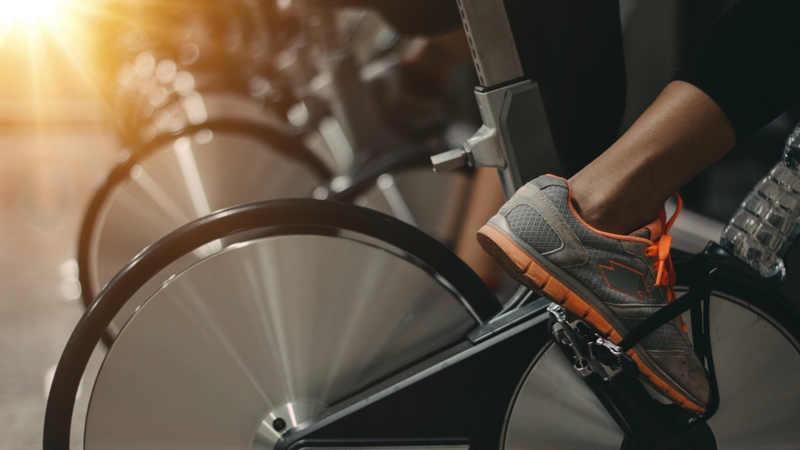
In recent years, the Mainland government has been vigorously advocating for a “Healthy China”, encouraging the public to pursue a healthy diet and lifestyle. Meanwhile, consumers’ health awareness is increasing and their demand for health products is growing. These factors have driven the growth of the related fitness and sporting goods market. A fitness and sporting goods company engaging in online business has pointed out that, though shopping for sports products online is now a common practice, online sports stores are everywhere on the mainland and competition is keen. So if a company wants to distinguish itself from its competitors, in addition to offering products at affordable prices, it will also have to combine the advantages of online and offline marketing.

The Polish Competition Authority (UOKiK) announced, earlier this year, a decision imposing a fine of PLN 4.3 million, roughly €1 million, on Scott Sportech Poland. The fine arose from the authority’s finding that the company had unlawfully restricted online sales of bicycles through measures imposed on its authorised dealers. At the same time, in Italy, the national competition authority (AGCM) is pursuing an ongoing investigation into the jewellery company Morellato on similar grounds, specifically concerning limitations placed on distributors regarding online platform sales.
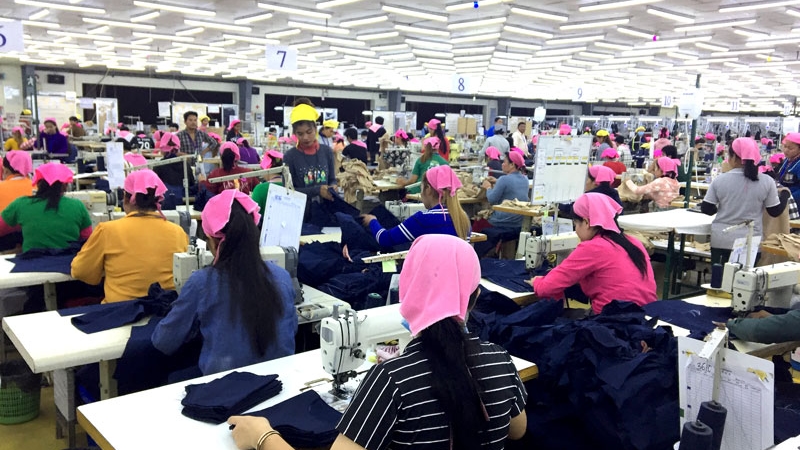
Cambodia has increased the monthly minimum wage for factory workers in the garment, footwear and travel goods sectors from US$208 to US$210. Announced on 17 September 2025, the new rate will take effect on 1 January 2026. Workers in these sectors will also get monthly fringe benefits, such as US$10 for perfect attendance, US$7 for rent and transportation, and a seniority bonus ranging from US$2 to US$11, meaning they could earn up to US$238 monthly.

Earlier this summer, a dispute emerged between British designer Diana Al Shammari and Belgian football club K Beerschot VA. The matter may be of interest to Hong Kong’s garment sellers, as it raises questions about the thin line between creative inspiration and unlawful imitation in fashion and sportswear design.
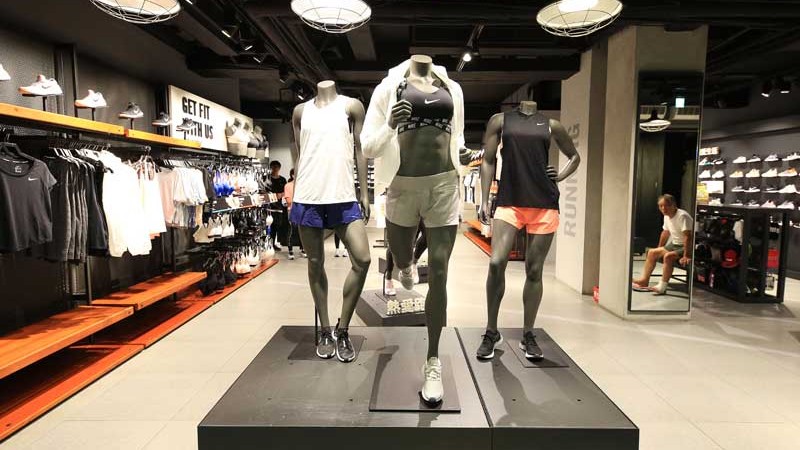
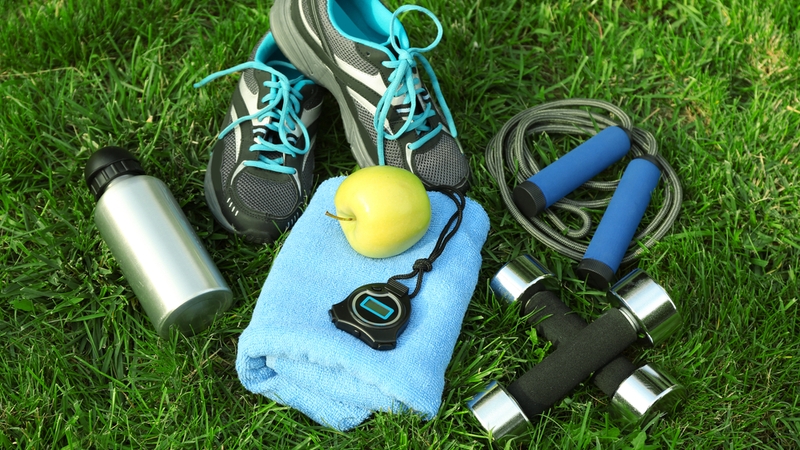
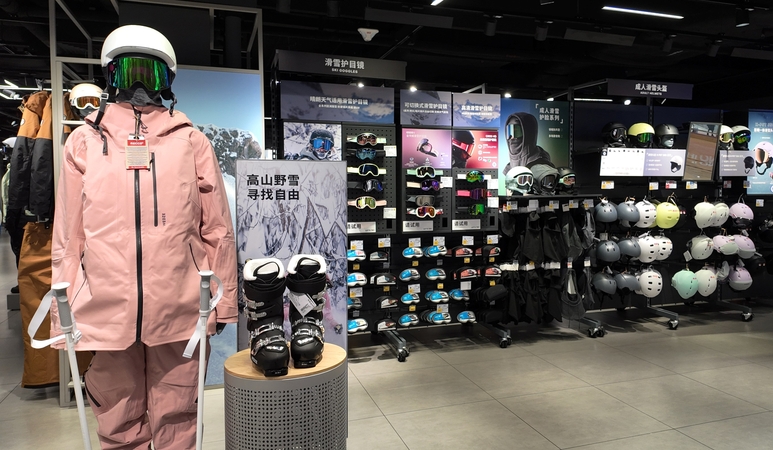

Health Canada has finalised a proposal to replace the current flammability and fire safety labelling requirements in the Tents Regulations with contemporary requirements developed by the Canadian General Standards Board in standard CAN/CGSB-182.1-2020. The agency has also adopted a separate regulation aimed at ensuring that there is no uncertainty regarding the application of the Canada Consumer Product Safety Act and the Pest Control Products Act to “treated articles” that are consumer products.
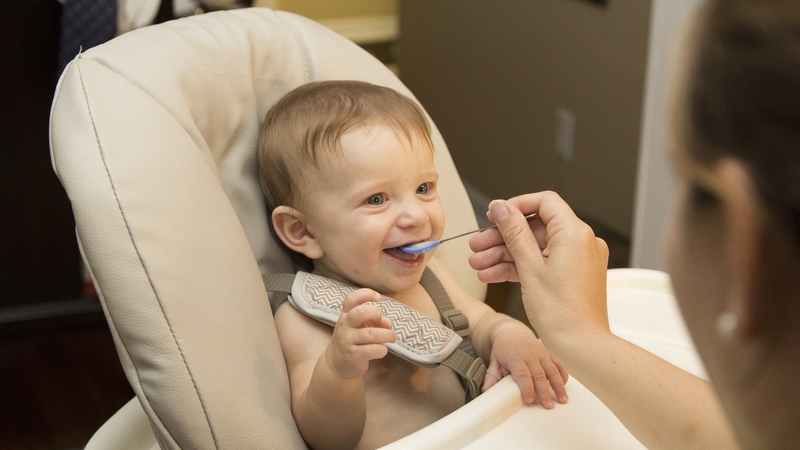
Recently, Commission Implementing Decision (EU) 2024/2406 was published in the EU’s Official Journal. It amends an earlier Decision (Implementing Decision (EU) 2019/1698) on European standards for certain child care articles, children’s furniture, gymnastic equipment and laser products. The European standards have all been adopted under the EU’s Directive on General Product Safety (2001/95/EC).