- 10
- 20
- 30

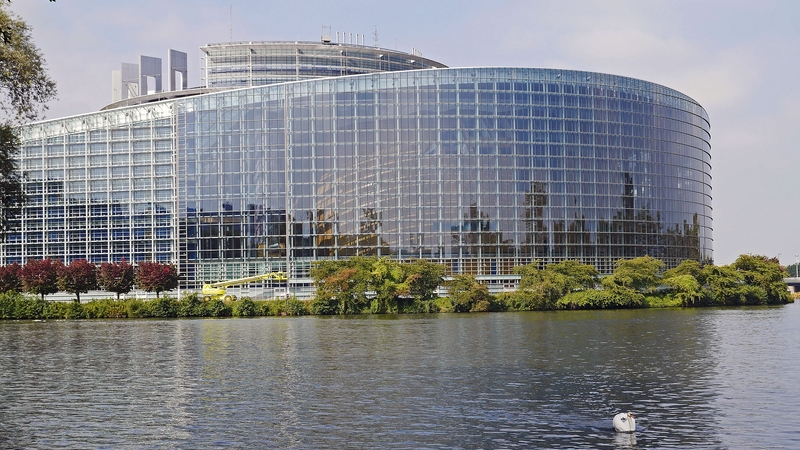

On 13 March 2026, it was reported that the European Commission’s environmental “omnibus” simplification package, introduced in mid-December, is encountering significant resistance within the Council of the European Union, with Member States struggling to align on both the substance and structure of the proposal. Three months into discussions, little tangible progress has been made, and officials widely expect that negotiations will take considerable time before any common position is reached.


CBP is seeking public input by 17 January on a proposal to reclassify certain glass cold brew coffee makers and teapots with stainless steel filters or infusers as stainless steel kitchen articles under HTSUS 7323.93.00 (2 percent duty) rather than as glassware under heading 7013 (duty rates ranging from 15 to 24.8 percent).
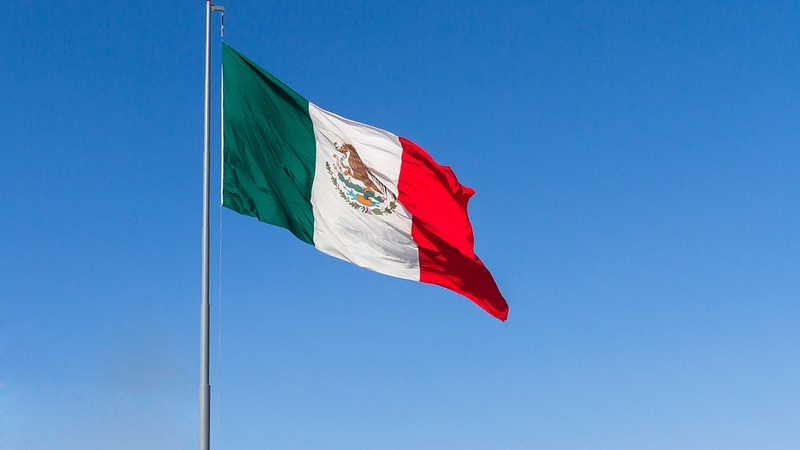
Mexico recently issued a mandatory standard for wood-burning cooking stoves, which will apply from 7 May 2026, and is seeking input through 30 December 2025 on proposed requirements for LED tubular lamps.

Commission Delegated Regulation (EU) 2025/843 has entered into force EU-wide, restricting use of the chemical substance UV-328. This new Regulation amends Annex I to Regulation (EU) 2019/1021 of the European Parliament and of the Council as regards UV-328. Importantly, the new Regulation restricts the placing on the market of products, including imports, containing UV-328. Hong Kong companies may be aware that this substance is commonly used to protect plastics and coatings from degradation due to UV light.

The State Administration for Market Regulation began implementing a batch of major national standards on 1 September, aimed at supporting the regulation of emerging and future industries, promoting energy conservation, emissions reduction and efficiency improvements, facilitating a good consumption environment, and protecting people’s lives and property.
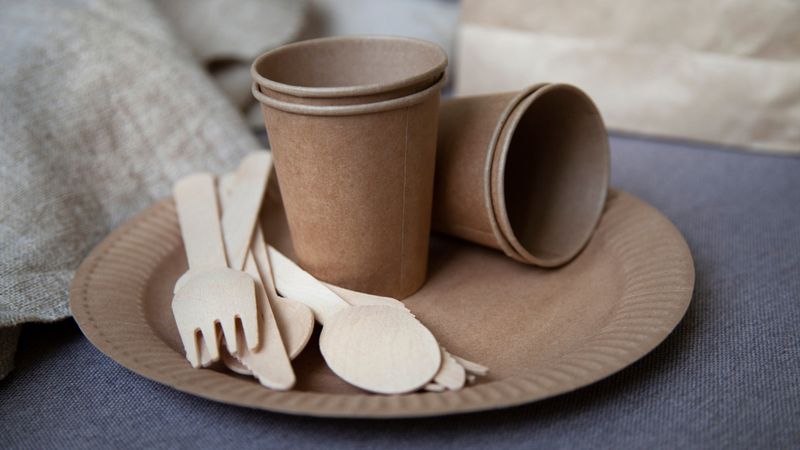
On May 8, 2025, the FDA issued a letter to retailers, distributors and importers informing them that dinnerware products such as bowls, plates, cups and utensils made from the sheath of A. catechu palm leaves have the potential to leach toxic alkaloid chemicals into food.