- 10
- 20
- 30

In March 2025, the Food Safety and Standards Authority of India (FSSAI) introduced new legislation permitting the use of rPET plastics in FCM and articles, provided they comply with applicable national standards or regulations (SafeGuardS 60/25).

On 12 September, the Standing Committee of the National People’s Congress voted to adopt amendments to the Food Safety Law of the People’s Republic of China. The amended law will take effect on 1 December and introduces a licensing system for the bulk road transportation of key liquid foods. Road transport carriers must have dedicated transport containers, working staff and management systems in place that meet food safety protection requirements, and they must also obtain a transport permit issued by a competent food safety regulatory authority at or above county level, in accordance with the law.
The U.S. Food and Drug Administration has issued a final rule that will make certain changes to its requiring specific information about articles of food imported or offered for import into the U.S. to be submitted in advance of arrival of the food.

Hong Kong's wine industry is supported by a large number of experienced fine wine merchants with specialist knowledge and international wine trade experience. In addition to wine trading and distribution, local wine-related activities include auctions, retailing, warehousing, catering and transportation.
Hong Kong is an efficient platform for food and beverages trade in the region. Businesses can introduce unique foods from around the world to both Hong Kong and mainland consumers by selling through local distribution channels or participating in trade exhibitions held in the city. Overseas companies importing food and beverages to Hong Kong must comply with relevant local regulations.
Chinese Mainland has actively encouraged imports in recent years, resulting in many different high-quality imported foods winning favour with consumers, and creating substantial market opportunities. While the mainland market offers great potential, food exporters must comply with the relevant laws and regulations, including food safety standards, enterprise registration and food labelling. This article highlights some of the key points that exporters should be aware of.


In accordance with the Interim Measures for the Administration of Product Quality Supervision and Random Sampling Inspections (Order No. 18 [2019] of the State Administration for Market Regulation), the Guangdong Administration for Market Regulation released implementation rules for quality supervision and random inspections of eight categories of food-related products on 19 August.
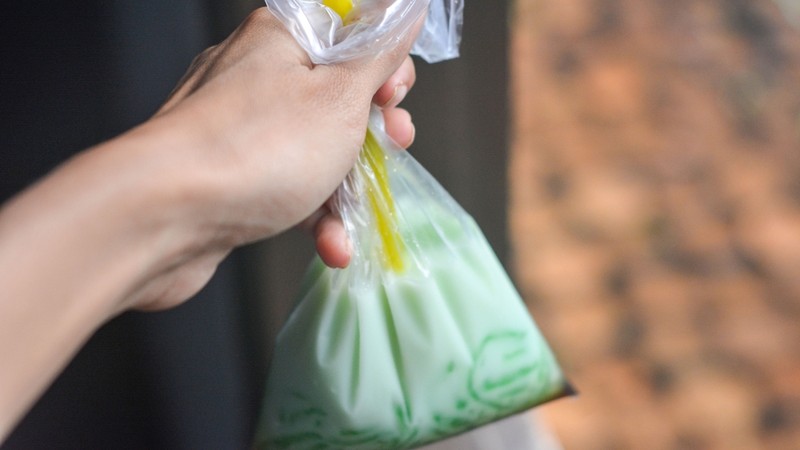
Thailand has regulated two types of food contact plastic bags under two national standards. In mid-2024, Thailand consulted over the use of TIS 1207-25XX (20XX) ‘Plastic bags for food’ and TIS 3022-25XX (20XX) ‘Microwavable food plastic bag for reheating’ as mandatory national standards for these food contact materials (FCM) and articles (SafeGuardS 108/24).